This is one of the questions we hear most. The honest answer is that it depends, so instead of promising a number, here is what moves it up or down and how to estimate your own.
Why board repair is priced differently
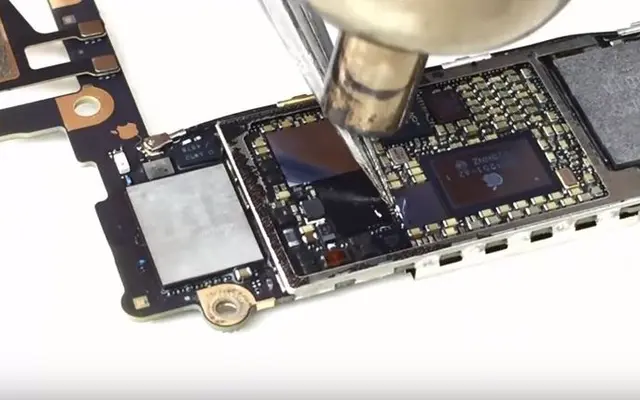
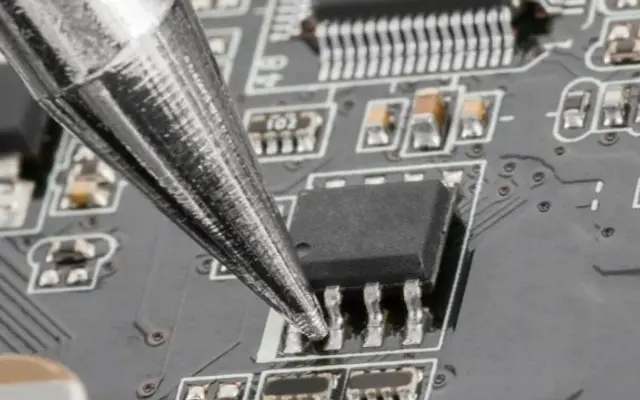
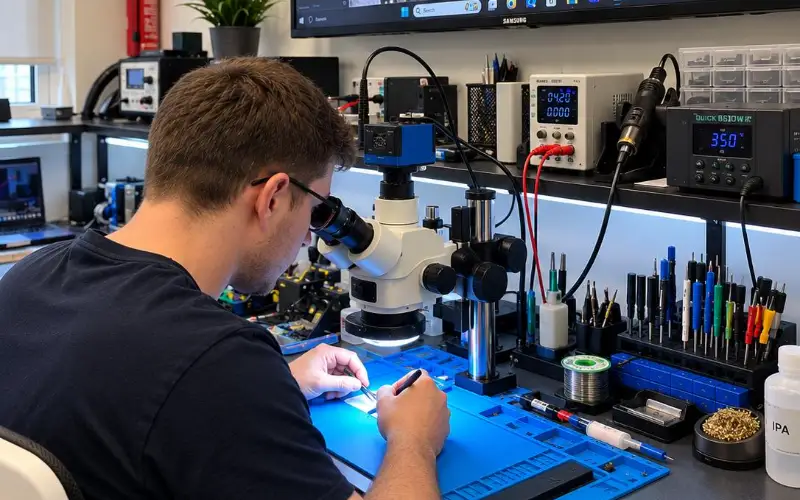
Changing a screen is a service many shops offer, so customers compare prices. Repairing a motherboard takes a microscope, training and patience, and far fewer people do it. The customer is also paying for something different: often the photos and messages on a phone that will not start.
Three ways people use the skill
- Employed technician: regular pay and a steady flow of difficult jobs. Look at current vacancies in your area for real salaries.
- Freelance: you repair for the public, or for other shops that send boards to you. You keep what is left after parts, tools and your time.
- Your own shop: micro soldering adds logic board repair, liquid damage, broken tracks and charging or power ICs to your list, so fewer customers leave without help.
What changes the result
- Success rate: a failed repair takes time and may earn nothing.
- Speed: the same job can take a beginner several times as long.
- Where you are and how many others offer it
- How customers find you, and what other shops think of your work
- Your costs: equipment, parts, rent, insurance and tax
Work out your own figure
- Check what three or four specialists charge for the same repair.
- Estimate how many boards you could finish properly in a week.
- Reduce it for the repairs that will not succeed.
- Take away parts, running costs and tax.
Do it once with careful numbers and once with hopeful ones. The truth usually sits between them.
Getting the skill
We teach Level 3 as a 5-day course and as a 3-day Fast Track for experienced technicians. Beginners start with Mastery, which includes micro soldering. We cannot promise any particular job, income or business result.
Not sure where you fit? Our 30-second course finder asks four quick questions, or you can call or WhatsApp +44 20 7101 4446 and tell us what you have repaired so far.